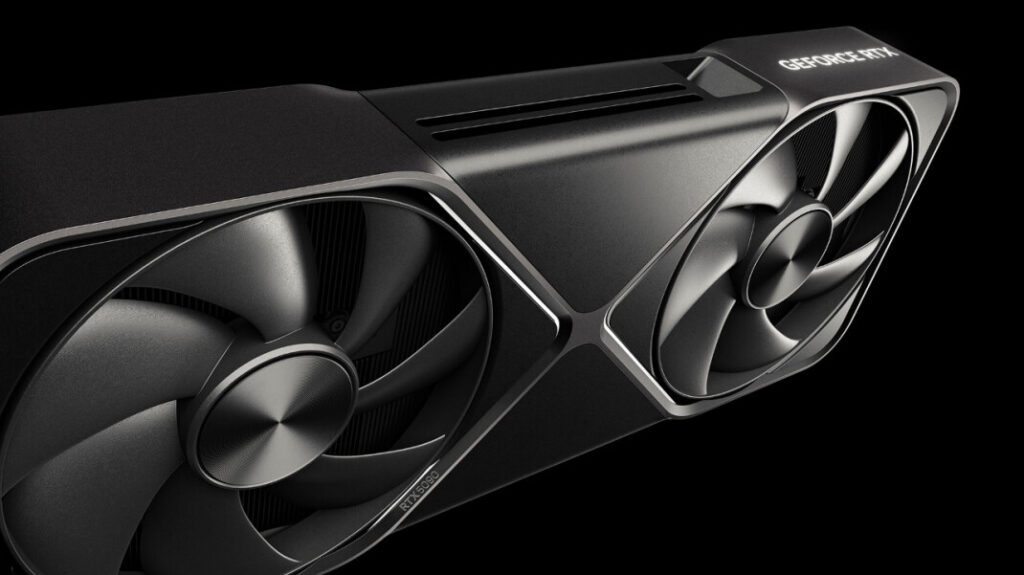

ultimateimp – Nvidia’s next-generation GeForce RTX 60 series is reportedly targeting a launch in the first half of 2027. The Rubin-based gaming GPUs were previously expected to arrive during 2026, but Nvidia has allegedly delayed the lineup.
According to Moore’s Law is Dead, Nvidia pushed the RTX 60 series back to free more TSMC manufacturing capacity for its AI products. The company could therefore prioritize its highly profitable artificial intelligence hardware before expanding its next gaming GPU generation.
Read More : Richarlison Won’t Join Vasco da Gama After Deal Fails
The reported delay would not extend into the second half of 2027 or potentially early 2028. A source cited by Tom’s Hardware claims the RTX 60 series received the “green light” several months ago.
Nvidia reportedly has concrete internal milestones leading toward a 2027 release. However, the source also cautioned that the company’s plans could still change before the launch.
Previous rumors have generally pointed toward the second half of 2027 for Nvidia’s next gaming GPU generation. The latest information would therefore represent an earlier target if it ultimately materializes.
Details surrounding Nvidia’s Gaming Rubin implementation remain limited. Sources were reportedly reluctant to discuss the flagship configuration, although they suggested its physical design could be unusual.
Possible explanations include a move to a 2nm manufacturing process or a chiplet-based flagship GPU. However, Nvidia may reserve its TSMC N2 capacity for AI products and manufacture RTX 60 graphics cards using its custom 3NP process instead.
A 2027 launch would also place Gaming Rubin alongside AMD’s upcoming RDNA 5 architecture. Recent reports have similarly placed AMD’s next-generation Radeon GPUs within the 2027 timeframe.
However, one report has suggested that RDNA 5 could be delayed until 2028. The launch schedules for both next-generation gaming architectures therefore remain uncertain.
RTX 60 Improvements Remain Unknown as RTX 50 Super Faces Uncertainty
Moore’s Law is Dead claims documents it has seen indicate that RDNA 5 could deliver a substantial generational performance increase. The reported improvement could be particularly significant for AMD’s high-end graphics cards.
An earlier rumor also claimed AMD could use LPDDR memory instead of conventional GDDR VRAM on lower-end RDNA 5 models. This approach could potentially help AMD keep those graphics cards more affordable.
There is currently little information about what improvements the RTX 60 series will bring over Nvidia’s Blackwell architecture. Specifications for the next generation, including performance, memory, and power requirements, remain unconfirmed.
Nvidia could increasingly rely on software-driven improvements alongside hardware advances. Recent developments surrounding DLSS 5 suggest that software could become an increasingly important part of Nvidia’s graphics strategy.
Increasing raw GPU performance can require higher power targets and more demanding cooling solutions. Higher power requirements could also add pressure to the power-delivery systems used by future graphics cards.
The current RTX 50 series has already experienced reports involving 12VHPWR power connector problems. Similar issues have also affected some previous-generation RTX 40-series graphics cards.
Another unresolved issue concerns Nvidia’s rumored RTX 50 Super lineup. An earlier report claimed the graphics cards were sitting in warehouses while Nvidia and distributors struggled to determine their pricing.
Read More : GMKtec Brings 24TB Mini PC With 160GB VRAM Globally
High memory prices were reportedly contributing to the uncertainty surrounding the RTX 50 Super models. It remains unclear whether Nvidia still plans to launch the refreshed graphics cards.
The RTX 50 Super lineup could potentially arrive as an alternative before the RTX 60 generation. However, there is currently no confirmed information about its release schedule.
Nvidia has not officially announced the RTX 60 series launch date or its Gaming Rubin specifications. For now, the first half of 2027 should be treated as a reported target rather than a confirmed release window.
More information will likely emerge as Nvidia approaches the next generation of GeForce graphics cards. Until then, both Gaming Rubin and the RTX 50 Super lineup remain subject to further changes.