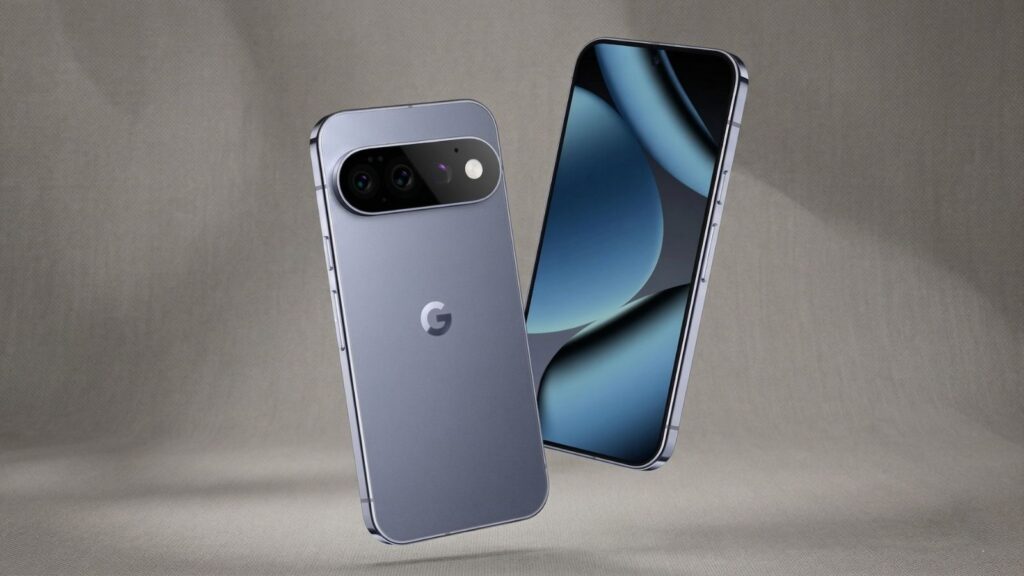

ultimateimp – Google has confirmed that rising DRAM costs will lead to price adjustments across its Pixel smartphone lineup. The announcement adds credibility to earlier reports claiming the upcoming Pixel 11 series could become more expensive. Some configurations may reportedly cost €100 more than comparable Pixel 10 models. However, storage changes could also explain part of the difference in pricing.
Shakil Barkat, Google’s Vice President of Devices and Services, confirmed that price adjustments are becoming necessary. According to 9to5Google, Barkat said DRAM prices have increased more than four times compared with last year. Google had previously avoided increasing prices for Pixel products already available. The company now expects to adjust prices dynamically as component costs continue changing.
Read More : Stockport Complete Deal for Shelbourne’s Harry Wood
Earlier reports from July claimed that the base Pixel 11 models could each receive a €100 price increase. Those reports also suggested that Google could discontinue 128GB configurations for the new generation. If accurate, the entry-level Pixel 11 models would instead begin with 256GB of storage.
The reported pricing structure could therefore be more complicated than a simple price increase. Models with 256GB and 512GB of storage are reportedly expected to maintain prices similar to last year’s equivalents. The higher entry price could partly reflect Google’s decision to remove lower-capacity 128GB versions.
The DRAM situation could also affect the Pixel 11 Pro’s memory configuration. According to current reports, some Pixel 11 Pro variants could feature 12GB of RAM. That would represent a reduction from the Pixel 10 Pro, which came with 16GB of RAM.
DRAM is a key component in modern smartphones and directly affects manufacturing costs. A sharp increase in memory prices can force manufacturers to reconsider component configurations and retail pricing. Google now appears to be responding to those market pressures through both pricing and hardware decisions.
Pixel 10a Could Face Higher Pricing as Google Changes Its Strategy
Google’s pricing adjustments could also affect products that are already available. The company has so far avoided raising prices on existing Pixel models. However, Barkat’s comments suggest that future changes could eventually reach devices already on sale.
The Pixel 10a could be particularly relevant because it is expected to remain available after the Pixel 11 launch. Google is reportedly preparing to replace the Pixel 10 series with the Pixel 11 lineup on August 12. However, the Pixel 10a is expected to remain on the market until spring 2027.
Its longer sales period could therefore expose the Pixel 10a to future pricing changes. If DRAM costs remain elevated, Google could adjust the device’s retail price despite its older-generation status. The company has not specifically confirmed that the Pixel 10a will become more expensive.
Google is also expected to use several incentives to support the Pixel 11 launch. Launch bonuses, trade-in offers and bundled subscriptions could provide additional value for customers. These promotions could help offset the impact of higher hardware prices for some buyers.
At the same time, Google is working on software optimizations aimed at reducing Android’s RAM requirements. The company wants future devices with lower memory capacities to continue providing a strong user experience. Such optimization could become increasingly important if memory prices remain elevated.
Read More : AMD’s 9800HX3D Could Widen 3D V-Cache Laptop Range
Reducing RAM requirements could also help manufacturers manage costs without relying entirely on higher retail prices. However, software optimization does not eliminate the underlying increase in DRAM component costs. Hardware configurations and pricing will still depend on Google’s broader product strategy.