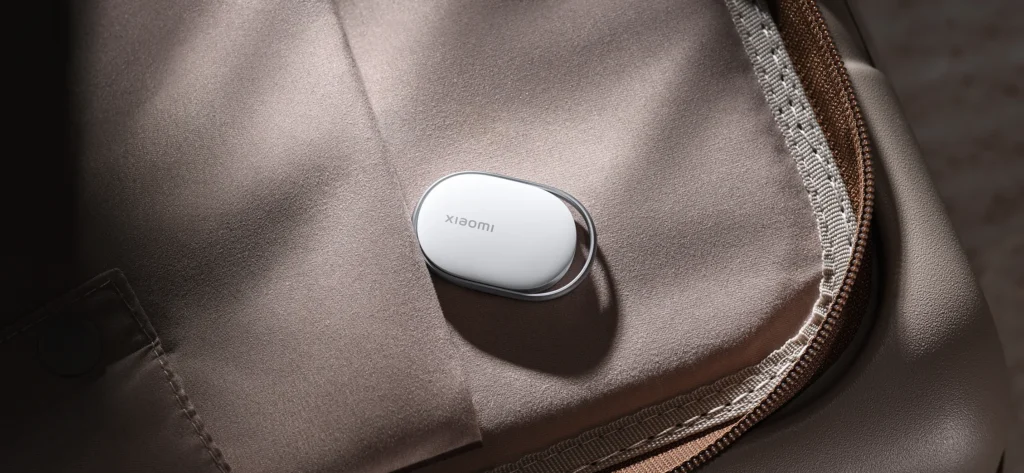

ultimateimp – Xiaomi has quietly introduced its first Bluetooth tracker, the Xiaomi Tag, to international markets. The device is designed to compete directly with Apple’s AirTag in the growing item tracking category. Xiaomi’s new tracker supports both Apple Find My and Google Find Hub networks. This compatibility allows users from different smartphone ecosystems to locate lost items using the same device.
Read More : Preston Midfielder Thordarson Moves to Hannover 96
The Xiaomi Tag appeared earlier this week on Xiaomi’s global website. The listing confirmed the device’s international availability and revealed several hardware specifications. These details had not been fully disclosed in earlier promotional material. A teaser page previously published by Xiaomi France had hinted at the product without providing complete technical information.
The appearance of the device on the global website signaled Xiaomi’s intention to expand the tracker beyond its initial markets. Bluetooth trackers have become increasingly popular among consumers who want simple ways to locate misplaced belongings. Devices like these are often attached to keys, bags, wallets, or luggage.
One of the key features highlighted by Xiaomi is the device’s battery performance. The Xiaomi Tag reportedly offers more than one year of battery life. Long battery endurance is an important advantage for tracking accessories that remain attached to personal items for extended periods.
Another important feature is the device’s compatibility with both major tracking ecosystems. Apple’s Find My network uses millions of Apple devices to help locate lost items. Meanwhile, Google’s Find Hub service offers a similar system for Android devices. By supporting both networks, Xiaomi positions the Tag as a flexible solution for a wide range of users.
Industry observers previously expected Xiaomi to release the product during its upcoming global launch event. The company is preparing for a major presentation where it will likely introduce several new devices. Because of that schedule, some reports suggested the Xiaomi Tag would not become available before February 28.
However, Xiaomi has already started selling the tracker in selected markets. This earlier release indicates the company is rolling out the product quietly ahead of its larger announcement. Early sales may help Xiaomi gauge market demand before expanding distribution further.
Xiaomi Tag Undercuts Apple AirTag Pricing with Discounted Bundles
Xiaomi has launched the Xiaomi Tag with competitive pricing in Southeast Asian markets. The device is currently available in Malaysia and Thailand. Customers can purchase the tracker either as a single unit or in a bundle of four devices.
In Malaysia, the standard price for one Xiaomi Tag is MYR 79, which equals approximately 20 US dollars. Launch promotions have reduced that price to MYR 59, or about 15 dollars. These introductory discounts appear intended to encourage early adoption among buyers.
Thailand has similar pricing for the device. A single unit normally sells for THB 599, also around 20 US dollars. During the launch promotion, the price has dropped to THB 429, which equals roughly 14 dollars.
Xiaomi also offers a four-pack bundle designed for customers who want to track multiple items. Multi-device bundles are common in the Bluetooth tracker market. Many users prefer attaching trackers to several everyday objects such as keys, backpacks, or travel bags.
In Malaysia, the four-pack bundle normally costs MYR 299, which equals about 77 US dollars. The promotional launch price reduces that bundle to MYR 199, or roughly 51 dollars. In Thailand, the standard price for the same bundle is THB 1,990, which equals about 64 dollars.
The discounted Thai launch price lowers the bundle cost to THB 1,490, or approximately 48 dollars. This pricing places the Xiaomi Tag significantly below Apple’s competing tracker. Apple’s four-pack AirTag bundle typically sells for around 99 dollars.
Read More : Tenku Unveils Pocket 8 Micro Laptop With 8-Core CPU
As a result, Xiaomi’s four-pack bundle is more than fifty percent cheaper than Apple’s comparable product. Competitive pricing may help Xiaomi attract users who want affordable tracking solutions. The lower price could also encourage buyers to purchase multiple trackers.
Although the Xiaomi Tag is already available in Malaysia and Thailand, the company has not announced a complete global release timeline. Additional regions may receive the tracker later this year. The device could appear in more markets following Xiaomi’s upcoming global product launch event.